
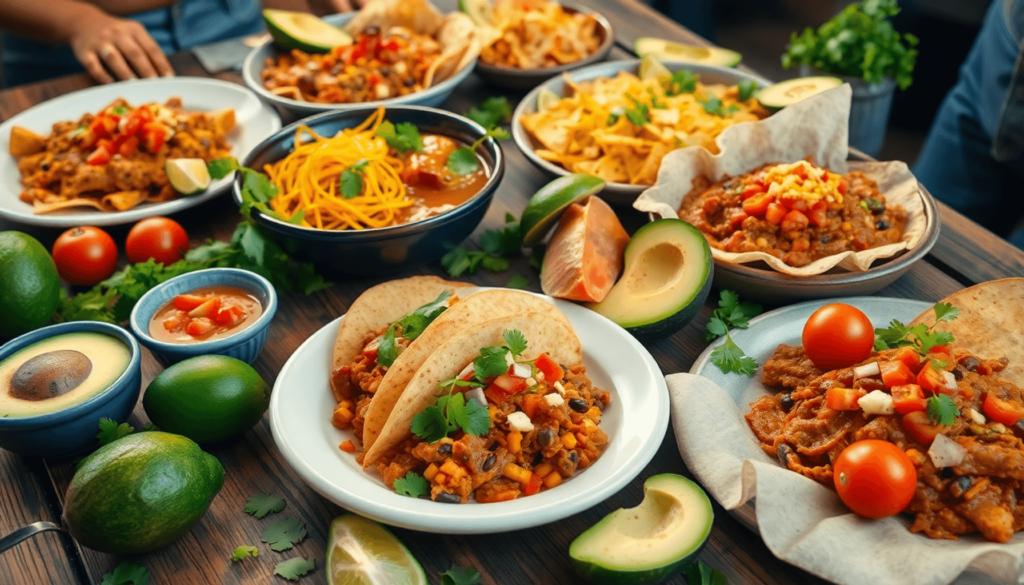
Tex-Mex cuisine is a vibrant fusion food that originated in Southern Texas, primarily among the Tejano people. This culinary style blends elements from various cultures, including Spanish settlers, Native Americans, and Mexicans.
Historical significance lies in its representation of North American cuisines. Emerging in the late 1800s, Tex-Mex reflects a unique adaptation of traditional Mexican flavors and techniques while establishing its own identity. The term “Tex-Mex” first appeared in print around 1963 but has roots dating back much further.
In this article, you will discover:
Join us as we explore the rich tapestry of Tex-Mex and its place within the broader landscape of North American cuisines.
Tex-Mex cuisine originated in Southern Texas, influenced by various cultures. It has strong ties to Tejano culture, which represents the traditions of Spanish-speaking Texans. The late 1800s was a crucial time when different culinary traditions started to blend together.
As the 19th century went on, Tex-Mex went through different stages of development:
The evolution of Tex-Mex is marked by its dynamic nature. It has absorbed elements from neighboring cultures while retaining its distinct character. As you explore this vibrant cuisine, you’ll discover how history and culture intertwine in each bite.
Tex-Mex cuisine is characterized by a vibrant array of ingredients that contribute to its unique flavors. Essential components include:
A staple in Tex-Mex dishes, corn tortillas serve as the foundation for tacos, enchiladas, and quesadillas. They can be enjoyed in various forms, either soft or crispy. Flour tortillas also play a significant role, especially in dishes like burritos.
The use of chili peppers adds depth and heat to Tex-Mex cuisine. Varieties such as jalapeños, serranos, and poblanos are common in sauces and salsas, enhancing the overall flavor profile. These peppers not only provide spice but also bring a range of colors to the plate.
A key protein in many Tex-Mex dishes, ground beef is often seasoned with spices like cumin and garlic. It forms the basis for popular items such as tacos and chili con carne. This ingredient exemplifies the hearty nature of Tex-Mex cuisine.
Spices play an equally vital role in defining Tex-Mex flavors:
The combination of these ingredients creates bold flavors that set Tex-Mex apart from traditional Mexican cuisine. Each component contributes to the delicious experience that has made Tex-Mex beloved across North America and beyond.
Tex-Mex cuisine is known for its vibrant and flavorful dishes that reflect its rich cultural heritage. Here are some iconic dishes that you should definitely explore:
Originating in the 1930s, fajitas were initially made with skirt steak grilled over an open flame. The term “fajita” itself comes from the Spanish word for “belt” or “girdle,” referring to the cut of meat used. Today, fajitas are often served with grilled peppers, onions, and a variety of toppings like guacamole and salsa.
This dish was invented in the 1940s by Ignacio “Nacho” Anaya in Piedras Negras, Mexico. He created a snack for his guests by layering tortilla chips with melted cheese and jalapeños. Nachos have since evolved into countless variations, often topped with ground beef, beans, and sour cream.
A traditional dish dating back to ancient Aztec times, enchiladas consist of corn tortillas filled with meats, cheese, or beans, then rolled and covered in a rich chili sauce. The versatility of enchiladas allows for endless combinations of fillings and sauces.
This hearty stew became popular among street vendors in San Antonio during the 1880s. Made from ground beef, beans, tomatoes, and chili spices, chili con carne embodies the bold flavors characteristic of Tex-Mex cooking. Each region may have its own twist on this classic dish.
These dishes showcase the unique fusion of flavors that define North American Cuisines:: Tex-Mex. Each bite tells a story of cultural blending and culinary creativity.
Tex-Mex cuisine showcases a variety of culinary techniques that contribute to its bold flavors and comforting dishes. Key methods include:
Grilling is a hallmark of Tex-Mex cooking, particularly for meats such as beef, chicken, and shrimp. The intense heat from the grill creates a distinct smoky flavor, enhancing the natural juiciness of the proteins. Fajitas, which feature marinated grilled meats served with sautéed bell peppers and onions, exemplify this technique.
Slow-cooking is integral for developing rich flavors in many Tex-Mex stews and sauces. Dishes like chili con carne benefit from long cooking times, allowing spices and ingredients to meld together beautifully. This method often utilizes tough cuts of meat, which become tender and flavorful after hours of simmering.
Incorporating these techniques not only elevates the taste but also reflects the cultural roots of Tex-Mex cuisine. The combination of grilling and slow-cooking brings out the best in fresh ingredients while creating hearty meals that resonate with tradition and innovation. As you explore Tex-Mex dishes, pay attention to how these cooking styles play a vital role in delivering unforgettable dining experiences.
Tex-Mex cuisine has carved a distinctive niche within the culinary landscape of the United States. Its popularity growth in the U.S. can be attributed to several factors:
This cuisine differentiates itself from traditional Mexican food by emphasizing ingredients like yellow cheddar cheese, ground beef, and unique spices. As Tex-Mex gained recognition, it began to reshape perceptions of Mexican cuisine in America.
The global spread of Tex-Mex cuisine showcases its adaptability and appeal beyond U.S. borders. In countries like Canada and parts of Europe, adaptations have emerged:
Tex-Mex continues to evolve through these international influences while maintaining its roots in Southern Texas traditions. As culinary boundaries blur, this vibrant cuisine captures the essence of cultural exchange, making it a beloved choice for food lovers around the globe.
The legacy of Tex-Mex cuisine continues to thrive as a vibrant part of North American culinary traditions. Its unique blend of flavors and ingredients captures the spirit of cultural fusion, reflecting the diverse histories that shaped it.
Key takeaways:
Exploring Tex-Mex is not just about savoring delicious meals; it’s an opportunity to appreciate a rich cultural narrative. As you indulge in these dishes, consider how they connect you to centuries of culinary evolution. Engage with this lively cuisine and discover the stories woven into every bite.
No results available