
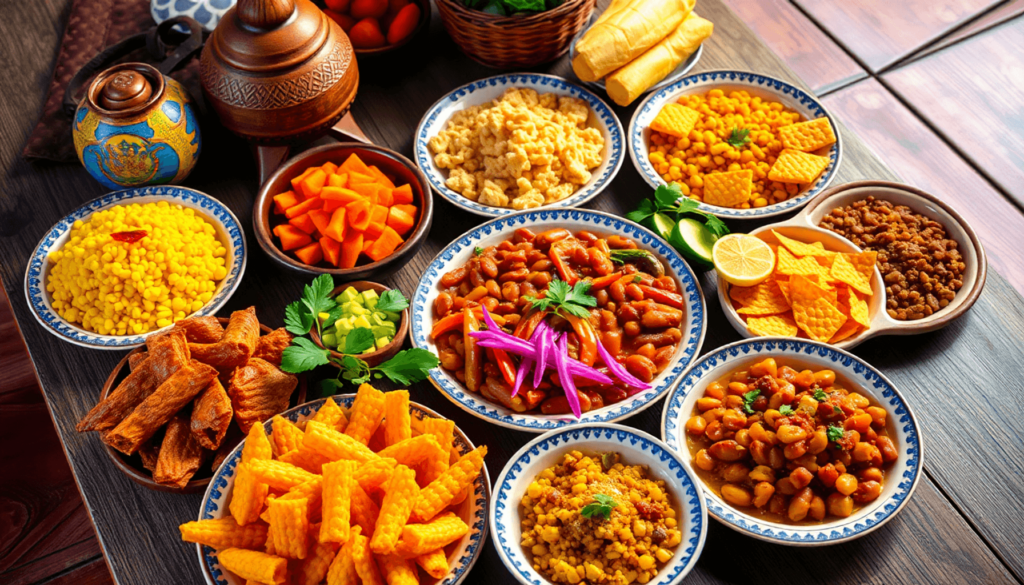
Venezuelan cuisine is a vibrant reflection of the country’s diverse cultural heritage. It holds a significant place within Latin American culinary traditions, showcasing an array of flavors and ingredients that tell a story of historical influences.
Key influences that have shaped Venezuelan food culture include:
The result is a culinary landscape characterized by regional diversity. Each area in Venezuela contributes its unique flavors and specialties, creating a rich tapestry of dishes that are celebrated both locally and abroad. Exploring Venezuelan cuisine offers not just a taste experience but also an understanding of the country’s history and cultural evolution within the context of Latin American cuisines.
Venezuelan cuisine is a delicious blend of different cultures that have come together over many years. To truly understand the history behind Venezuelan food, we need to explore three main influences: the Indigenous peoples who first inhabited the land, the Spanish colonizers who arrived later, and the African communities whose presence has also shaped the country’s culinary traditions.
The Indigenous peoples of Venezuela laid the groundwork for modern culinary practices. They cultivated key ingredients such as corn, yuca, and various beans.
The arrival of Spanish colonizers in the 16th century significantly altered the culinary scene. They introduced ingredients such as wheat, spices, and livestock.
The forced migration of African slaves brought additional depth to Venezuelan gastronomy. Their bold flavors and cooking techniques enriched local cuisine.
This complex interplay between Indigenous practices, European colonization, and African traditions creates a unique culinary landscape that defines Venezuelan cuisine today. Each element contributes to a diverse array of flavors, textures, and cooking methods that reflect the country’s rich history and cultural diversity. For an in-depth exploration of this unique cuisine, you can refer to this comprehensive guide on Venezuelan cuisine.
Venezuelan cuisine is built upon a foundation of key ingredients that reflect the country’s diverse ecosystems and cultural influences. These staples are integral to traditional dishes and highlight the unique flavors present in each region.
Different regions contribute their own specialties, resulting in a vibrant culinary tapestry. Here are some essential ingredients and their regional significance:
Through these varied ingredients, Venezuelan cuisine showcases the rich interplay of indigenous practices, Spanish techniques, and African influences. Each region brings its own character to the table, ensuring that every meal tells a story steeped in history and culture. Understanding these key ingredients allows you to appreciate the depth of flavor present in Venezuelan dishes while exploring Latin American cuisines.
Coastal cuisine in Venezuela offers a vibrant array of flavors that highlight the rich bounty of the sea. Key ingredients form the foundation of these dishes:
Other essential ingredients include corn, which is integral to dishes like arepas and cachapas, along with rice, beans, yams, and diverse meats. This culinary landscape showcases the deep connection between Venezuelan culture and its coastal resources, embodying the essence of Latin American cuisines.
Andean cuisine showcases a unique blend of ingredients that reflect the mountainous terrain of Venezuela. Key staples in Venezuelan cooking, such as corn, are prominently featured. Corn serves as the base for dishes like arepas de choclo, which are sweet corn arepas filled with a variety of flavors.
Other essential ingredients include:
A popular accompaniment is guasacaca, an avocado sauce that provides a refreshing contrast to hearty meals.
In addition to corn and potatoes, other staples like rice, beans, yams, and various meats are integral to Andean dishes. The region’s culinary diversity contributes significantly to Venezuela’s overall gastronomic landscape, blending rich flavors with vibrant textures.
Venezuela’s plains region offers a unique perspective on the country’s culinary landscape, showcasing the significance of simplicity and flavor. Essential ingredients such as corn, rice, beans, yams, and various meats form the backbone of traditional recipes.
One standout dish is carne en vara, consisting of grilled meat skewers often served alongside yuca or plantain fritters. This dish exemplifies the plains’ focus on straightforward preparation while delivering rich flavors.
The emphasis on local ingredients reflects a deep-rooted connection to the land. In this region, culinary traditions thrive amid agriculture and pastoral life, illustrating how Latin American cuisines: Venezuelan embrace both simplicity and depth.
Venezuelan cuisine is rich with must-try dishes that showcase the country’s diverse flavors and cultural heritage. Here are some culinary highlights:
Tequeños are a beloved snack featuring a cheese-filled dough that is deep-fried until golden brown. Often served as an appetizer or a party food, these savory sticks are typically accompanied by guacamole or spicy sauces. The combination of crispy exterior and gooey cheese makes them irresistible.
Recognized as the national dish, pabellón criollo embodies the essence of Venezuelan gastronomy. This hearty meal consists of:
Pabellón criollo holds cultural significance as it represents the fusion of influences from Indigenous, Spanish, and African cuisines. It is commonly enjoyed during family gatherings and celebrations, symbolizing unity and tradition.
Cachapas are sweet corn pancakes that highlight the prominence of corn in Venezuelan cooking. Made from freshly ground corn kernels, they are typically cooked on a griddle until they develop a slightly crispy edge while maintaining a soft center. These pancakes can be served with:
Cachapas are often enjoyed for breakfast or as a snack, showcasing the versatility of corn in Venezuelan cuisine. Their natural sweetness pairs beautifully with savory accompaniments, creating a delicious balance.
Exploring these signature dishes offers insight into the heart of Venezuelan culinary traditions. Each dish tells a story and invites you to experience the rich flavors and vibrant culture that define Venezuelan food.
Venezuelan drinks are an important part of the culinary experience, providing a refreshing addition to the vibrant dishes. Two standout beverages are chicha and papelón con limón, each with unique flavors and significance.
This sweet drink is made from rice, which is soaked and blended with water, sugar, and spices. The mixture is then strained and served chilled.
Chicha is a popular choice at family gatherings and celebrations. It represents comfort and nostalgia, often reminding many of home. This drink has variations across Latin America, but Venezuelan chicha stands out for its creamy texture and sweetness.
Made from raw sugar cane known as papelón combined with freshly squeezed lime juice, this drink is both hydrating and invigorating. The balance of sweetness from the sugar cane with the tartness of lime creates a delightful contrast.
Commonly enjoyed during hot days or at social events, papelón con limón embodies the spirit of Venezuelan hospitality. It perfectly complements meals or serves as a standalone refreshment.
These traditional drinks not only quench thirst but also tell a story about Venezuela’s rich cultural heritage.
Venezuelan cuisine is deeply intertwined with its dining customs, emphasizing the significance of social gatherings. Meals are not merely about food; they foster connections among family and friends. The main meal of the day, typically lunch, serves as a time for communal sharing and enjoyment.
Contemporary Venezuelan chefs play a crucial role in evolving traditional dishes. They honor their roots while embracing global culinary trends, resulting in exciting fusion cuisine that captivates both local and international palates.
This blending of tradition and modernity showcases the adaptability of Venezuelan gastronomy while maintaining its cultural essence. As chefs continue to elevate these culinary traditions on the global stage, they invite others to explore the rich tapestry of Latin American cuisines: Venezuelan through their unique perspectives.
No results available