
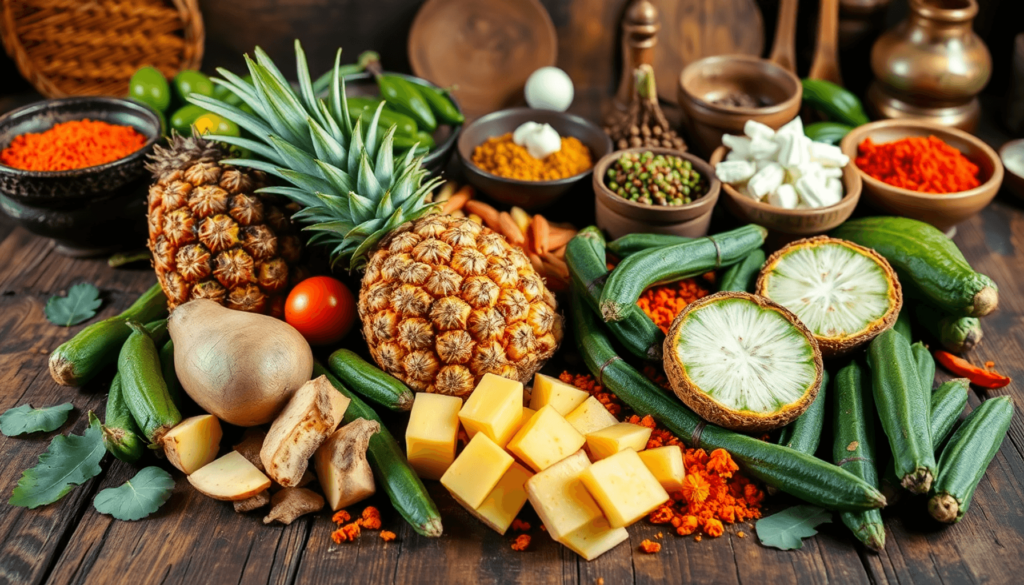
Brazilian cuisine is unique and stands out in the culinary world because of its various cultural influences. It has a mix of indigenous, African, and European traditions, which shows the rich history and diverse population of the country.
Some key features of Brazilian cuisine include:
But Brazilian cuisine is more than just food; it represents Brazil’s identity and social fabric. Each dish tells a story, connecting people to their heritage and community.
Key takeaway: Brazilian cuisine is a vibrant reflection of the country’s diverse culture and history, offering a unique experience for anyone willing to explore its flavors.
Brazilian cuisine is a blend of various historical influences, mainly shaped by indigenous, Portuguese, and African contributions.
The native peoples of Brazil introduced essential ingredients that remain staples in the culinary landscape today. Key examples include:
With colonization, Portuguese settlers brought a wealth of flavors and cooking techniques that transformed local cuisine. Notable additions include:
The African diaspora significantly enriched Brazilian cooking, introducing bold flavors and unique cooking methods. Prominent dishes include:
This blend of influences creates a rich culinary heritage that showcases the complexity of Brazil’s historical narrative. Each ingredient tells a story of cultural exchange and adaptation, laying the foundation for contemporary Brazilian cuisine.
Brazil’s geographical diversity shapes its regional cuisines, each offering unique specialties that reflect local resources and cultural influences.
The Amazon rainforest provides an array of ingredients not found elsewhere. Pupunha hearts of palm are a prime example, valued for their delicate flavor and texture. Other notable ingredients include jambu, known for its numbing effect on the tongue, and various fish such as pirarucu.
This region is celebrated for its hearty dishes that showcase local ingredients. Carne de sol, a sun-dried meat, is a staple, often served with sides like rice and beans. Traditional stews such as dobradinha (tripe stew) highlight the rich flavors of Northeastern cuisine. Dishes often incorporate spices like cumin and coriander, adding depth to their robust profiles.
Bahia stands out with its vibrant culinary traditions rooted in African heritage. Cooking methods often involve clay pots, enhancing the flavors through slow cooking techniques. Signature dishes include moqueca, a fish stew made with coconut milk and dendê (palm oil), showcasing the region’s tropical bounty. Another key dish is acarajé, a fritter filled with shrimp, which reflects African cooking styles and flavors.
Each region contributes to the rich tapestry of Brazilian cuisine. The use of local ingredients and traditional cooking methods emphasizes the country’s diverse culinary landscape. As you explore Brazilian food, you’ll find that every dish tells a story of culture, history, and community.
Churrasco is a beloved barbecue tradition deeply rooted in Brazilian culture, especially prominent in the southern state of Rio Grande do Sul. This culinary practice reflects the region’s history and social gatherings, where grilling meat becomes a communal event.
Some of the most favored cuts include:
The traditional method involves:
Churrasco is typically served with:
This vibrant barbecue culture embraces both tradition and community, making it an integral part of Brazil’s culinary identity.
Brazil’s urban culinary scene reflects a dynamic fusion of flavors, greatly influenced by the vibrant street food culture. Major cities like São Paulo and Rio de Janeiro serve as culinary melting pots, where traditional recipes blend with global influences.
Street food has surged in popularity, offering residents and visitors alike an accessible way to experience authentic Brazilian flavors on the go.
Urban cuisine showcases the impact of immigrant communities. Japanese sushi meets Brazilian flavors, while Italian pasta has been adapted into local dishes. Each immigrant wave enriches the culinary landscape, creating unique twists on traditional recipes.
The energy of street vendors fills city streets, turning them into bustling markets that celebrate Brazil’s diverse heritage. This food culture not only satisfies hunger but also fosters community connections through shared dining experiences.
Feijoada completa stands out as Brazil’s national dish, celebrated for its rich flavors and communal spirit. This hearty stew is traditionally made with black beans and a variety of meats, including:
Feijoada is typically served with several accompaniments that elevate the dining experience:
This dish embodies the essence of Brazilian culture—family gatherings and celebrations often revolve around feijoada. Traditionally prepared in a large pot, it simmers for hours to develop its signature taste. Each region may have slight variations in preparation or ingredients, but the core elements remain consistent.
Feijoada completa reflects Brazil’s diverse culinary heritage, showcasing influences from indigenous, African, and Portuguese traditions that come together in one bowl.
Brazil’s culinary landscape features a variety of iconic dishes that showcase its diverse flavors and traditional recipes.
This fish stew hails from Bahia, known for its vibrant colors and rich flavors. The preparation involves marinating fish in lime juice, garlic, and salt, then simmering it with tomatoes, onions, bell peppers, coconut milk, and dendê oil (palm oil). Each region has its variation, with some adding spices like coriander.
Originating from African traditions, acarajé consists of black-eyed pea fritters filled with shrimp and served with a spicy sauce. Traditionally prepared in a clay pot or fried in palm oil, this street food reflects the deep cultural roots in Brazilian cuisine.
A creamy seafood dish made from ingredients like bread, shrimp, coconut milk, and palm oil. Vatapá is often served with rice or farofa (toasted cassava flour), highlighting the importance of these key ingredients in Brazilian cooking.
Key ingredients such as palm oil and okra play vital roles across various dishes. Palm oil adds distinct flavor and richness to many recipes while okra provides texture and depth in stews.
Brazilian cuisine continues to evolve while honoring its rich heritage through these beloved dishes.
Brazilian cuisine is going through a significant change, influenced by globalization and modern dining trends. Here are the main factors driving this evolution:
This evolution pays tribute to Brazil’s culinary legacy, ensuring that traditional recipes stay relevant while also embracing modern techniques. As culinary boundaries become less defined, Brazilian cuisine continues to thrive globally, celebrating its rich history while welcoming new influences. The vibrant mix of flavors will surely delight food enthusiasts for many years to come.
No results available