We are launching Restaurants.dk in 2026!
✨ Welcome Restaurant owners. Claim your page!

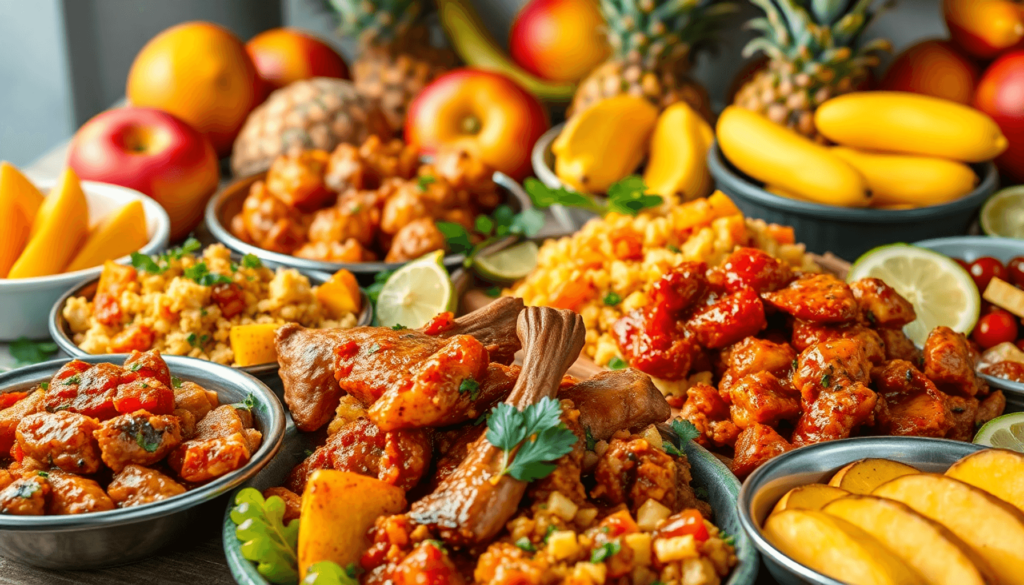
Jamaican cuisine is a vibrant and colorful part of Caribbean cooking. It has a wide range of flavors and cultural influences that have developed over many years.
The key influences on Jamaican cuisine include:
This mix of different cultures creates a unique taste that delights the senses. Each dish tells a story about Jamaica’s past and showcases its diverse heritage.
Jamaican cuisine is more than just food; it offers an experience that allows you to discover its rich history and embrace its lively identity. Enjoying these dishes provides a glimpse into the essence of Jamaica, making it a must-try for every food lover.
Jamaican cuisine is a rich blend of various cultural influences, each leaving its mark on the island’s culinary heritage.
The indigenous Taíno people were the original inhabitants of Jamaica and significantly contributed to local ingredients and cooking methods. They introduced staple foods such as:
Their cooking techniques laid the groundwork for future culinary practices, emphasizing the use of natural ingredients.
The arrival of enslaved Africans brought profound changes to Jamaican cuisine. Their culinary traditions infused the food landscape with vibrant flavors and techniques. A standout contribution is jerk cooking, which involves marinating meats in a blend of spices and slow-cooking them over pimento wood. This method not only enhances the taste but also reflects a deep-rooted cultural practice. Popular dishes resulting from this influence include:
European colonization introduced additional layers to Jamaican cuisine. The British influence brought about the incorporation of baked goods and pastries, enhancing breakfast options and dessert offerings. Key elements include:
Spanish settlers also contributed seafood dishes like escoveitched fish, which features fried fish topped with a spicy vinegar-based sauce. This combination highlights the adaptability of Jamaican cuisine, merging various influences into distinct flavors.
The blending of these diverse influences has created a unique culinary identity for Jamaica, reflecting its historical journey through time.
Jamaican cuisine is known for its vibrant use of local ingredients that give it a unique taste. The island’s culinary scene is shaped by a wide range of fresh fruits, vegetables, herbs, and spices.
Here are some herbs and spices that are commonly used in Jamaican cooking:
Here are some staple dishes that you must try when exploring Jamaican cuisine:
Being an island nation, Jamaica has access to a wide variety of seafood. Here are some popular seafood dishes and their cooking methods:
The emphasis on fresh local produce ensures that Jamaican meals are not only flavorful but also nutritious. Tropical fruits like mangoes, guavas, and pineapples often feature in desserts or as accompaniments to savory dishes. The creative use of herbs and spices elevates everyday meals into extraordinary experiences. Each ingredient tells a story about Jamaica’s rich cultural tapestry, making every bite a reflection of its history.
Jamaican cuisine employs a variety of traditional cooking techniques that enhance the rich flavors of its dishes. Key methods include:
This method is especially significant in Jamaican cooking, particularly for jerk dishes. Meats are marinated with a spice blend and grilled over pimento wood, imparting a unique smoky flavor that is integral to the culinary experience.
Frying is commonly used for preparing popular snacks and sides. Dishes like festival (fried dumpling) and plantains are staples, offering crispy textures that contrast beautifully with soft, flavorful main courses.
Boiling is often utilized for staple ingredients such as rice and peas or vegetables like callaloo. This technique preserves the natural flavors while allowing seasonings to infuse the dish, resulting in a comforting and satisfying meal.
These methods not only showcase the versatility of Jamaican cooking but also reflect the island’s cultural heritage. Each technique plays a vital role in creating vibrant dishes that capture the essence of Caribbean Cuisines:: Jamaican. The combination of grilling, frying, and boiling allows chefs to explore various flavor profiles while honoring traditional practices passed down through generations.
The Rastafarian diet is deeply rooted in principles that emphasize natural ingredients and a holistic approach to food. This culinary philosophy strongly influences Jamaican cuisine, showcasing the connection between spirituality and sustenance.
Popular ital dishes reflect this focus on healthful eating. Examples include:
The Rastafarian influence fosters an appreciation for the environment and sustainable practices. This commitment to natural, wholesome food enhances the flavors in Jamaican cuisine while promoting a lifestyle that values health and wellness.
Jamaican cuisine offers a wide range of iconic dishes that reflect the island’s vibrant culinary traditions. Here are some must-try dishes that provide an authentic taste of Jamaica:
This hearty dish features tender oxtail slow-cooked with rich spices, beans, and often accompanied by rice. The depth of flavor from the simmering process makes it a favorite among locals.
These delightful fried dumplings are slightly sweet and crispy on the outside, soft on the inside. They serve as a perfect side to many main courses, especially fish dishes.
As the national dish, this combination of sautéed ackee fruit and salted cod represents Jamaica’s culinary identity. It is typically served with fried plantains, boiled green bananas, or dumplings.
A beloved dish that showcases succulent goat meat marinated in aromatic curry spices. It is often paired with rice and peas or roti for a fulfilling meal.
This dish features fried fish topped with a spicy vinegar-based sauce made from onions, carrots, and Scotch bonnet peppers. Its bold flavors are a testament to the Spanish influence on Jamaican cooking.
To truly immerse yourself in Jamaican culinary culture, consider visiting local eateries or street vendors where these dishes are served fresh. Each bite tells a story of the island’s rich heritage and diverse influences. Embrace the experience; these dishes are just a glimpse into Jamaica’s flavorful world.
Jamaican cuisine is a gateway to the wider world of Caribbean culinary traditions. Each island has its own distinct flavors, shaped by various cultural influences.
From Trinidadian doubles to Barbadian flying fish, every dish tells a story.
Ingredients and techniques flow between islands, showcasing a shared culinary heritage.
Each Caribbean nation adapts recipes to reflect local produce and traditions.
Exploring Jamaican food opens doors to appreciating the vibrant tapestry of Caribbean cuisines. It encourages discovery of regional specialties and cooking methods that celebrate identity through cuisine. Engaging with these culinary experiences fosters a deeper connection with the culture and history of the Caribbean islands. As you savor each bite, remember that Jamaican cuisine is just one piece of a larger mosaic waiting to be explored.
No results available