
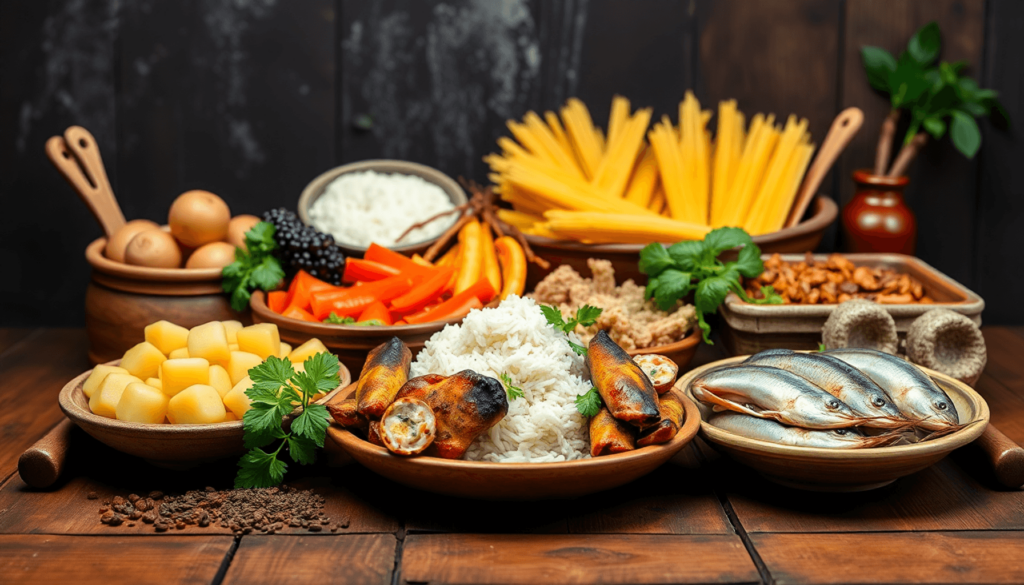
Chilean cuisine is a standout among the diverse Latin American cuisines, with its vibrant mix of influences. It beautifully combines indigenous traditions and colonial heritage, creating a one-of-a-kind food experience.
The key features of Chilean cuisine are:
This culinary scene not only celebrates the country’s rich natural resources but also tells the story of its history. Exploring Chilean cuisine gives you a deeper appreciation for its culinary traditions.
Chilean cuisine has evolved significantly over the centuries, shaped by various cultural influences.
The arrival of Spanish colonizers in the 16th century marked a pivotal moment for Chilean gastronomy. They introduced new ingredients such as wheat, olives, and various spices, which transformed local cooking techniques. Traditional methods were blended with European practices, resulting in unique dishes that reflect this fusion.
Indigenous Mapuche people have made a lasting impact on Chile’s culinary landscape. Their use of native ingredients like quinoa, maize, and potatoes laid the foundation for many traditional recipes. Cooking methods such as steaming and slow-cooking have been preserved through generations, showcasing their deep respect for natural resources.
The arrival of European immigrants, particularly Germans and Italians, further enriched Chilean cuisine. German settlers brought sausages and pastries, while Italian influences led to the incorporation of pasta and risotto into local diets. This blend of flavors continues to inspire modern Chilean dishes, demonstrating how diverse cultural threads have woven together to create a vibrant culinary tapestry.
Understanding these historical influences provides insight into the rich flavors and diverse ingredients that define Chilean cuisine today.
Chilean cuisine thrives on local ingredients, celebrating the country’s diverse agricultural landscape and rich marine resources. Staple ingredients include:
The importance of seafood cannot be overstated. Chile’s extensive coastline provides access to an abundance of fresh fish and shellfish. Notable seafood dishes, like caldillo de congrio, highlight the quality of local marine life.
Regional variations in agricultural products enhance Chilean culinary diversity. For instance:
This rich tapestry of ingredients not only reflects the country’s natural bounty but also showcases the cultural heritage woven into every dish. Each ingredient tells a story, connecting you to the land and its people.
Cazuela is a quintessential Chilean dish, embodying the essence of comfort food with its hearty ingredients. This traditional stew typically includes:
The preparation method for cazuela is straightforward yet rewarding. Meat is usually simmered until tender, followed by the addition of chopped vegetables. The result is a colorful medley bubbling in a savory broth, creating an inviting aroma that fills the kitchen.
Cazuela holds significant cultural importance in Chilean society. Often served during family gatherings or on chilly evenings, it symbolizes warmth and togetherness. The communal aspect of sharing this dish elevates its status as a beloved staple across households.
In many regions, variations of cazuela exist, reflecting local ingredients and preferences. For instance, coastal areas may incorporate seafood alternatives, showcasing the nation’s diverse culinary landscape. This adaptability highlights how cazuela can be personalized while still honoring its traditional roots.
Another notable dish in Chilean cuisine is caldillo de congrio. This fish stew features conger eel as the star ingredient alongside tomatoes, onions, and spices. The dish connects to coastal communities where fresh seafood defines everyday cooking.
Empanadas are popular street food snacks enjoyed by locals on-the-go. Stuffed with various fillings such as meat, cheese, or seafood, these flaky pastries offer delicious options for any palate.
Pastel de choclo showcases ground corn layered with meats or vegetables. The corn crust baked to golden perfection adds a delightful texture.
Chorrillana consists of crispy fries topped with sautéed beef or sausages—ideal for a late-night indulgence at casual eateries.
Chilean cuisine celebrates regional diversity through these dishes, each telling a story about culture and tradition while utilizing locally sourced ingredients.
Caldillo de congrio is a quintessential Chilean dish that showcases the country’s rich maritime resources. This flavorful fish stew primarily features conger eel, a staple in coastal communities, providing a distinctive taste that reflects the Pacific Ocean’s bounty.
Caldillo de congrio originated from Chile’s coastal communities, where fishing has been a vital part of daily life for generations. Its preparation often incorporates local ingredients that reflect regional flavors, making this dish not just a meal but a celebration of Chile’s maritime heritage. Each bowl of caldillo de congrio tells a story of the sea, connecting diners to the coastal landscapes that define much of Chilean culture.
Empanadas are a staple in Chilean cuisine, showcasing the blend of flavors and cultures that define the country’s food scene. These delightful handheld pastries can be filled with a variety of ingredients, making them versatile and beloved by many. Common fillings include:
The dough is typically made from flour, water, and a pinch of salt, resulting in a flaky crust that perfectly complements the fillings. Preparation methods vary; some empanadas are baked for a crispy finish, while others are fried for that irresistible golden exterior.
Empanadas serve as a popular street food snack enjoyed by locals on-the-go. Available at markets and food stalls across the country, they embody the essence of casual dining in Chile. Each region offers its twist on this classic dish, showcasing local ingredients and cultural influences. For example:
These delectable pastries not only satisfy hunger but also tell stories about Chile’s diverse heritage and regional specialties.
Pastel de choclo is a quintessential Chilean dish that embodies the country’s agricultural richness. This savory corn pie features a harmonious layering of ingredients, making it a beloved comfort food.
Key Ingredients:
The preparation of pastel de choclo involves several steps:
This dish highlights regional influences within Chile. It reflects indigenous Mapuche ingredients while showcasing how Spanish colonization introduced new cooking techniques. Each bite offers a taste of history, much like other traditional dishes such as cazuela, caldillo de congrio, empanadas, and chorrillana. A classic pastel de choclo recipe will surely bring warmth to any gathering.
Chorrillana is a beloved dish in Chile, known for its indulgent combination of crispy French fries topped with a savory medley of ingredients. This hearty plate typically features:
The dish is often served in generous portions, making it a popular choice among young people seeking a satisfying late-night snack. Found in casual eateries across the country, chorrillana has become synonymous with social gatherings and celebrations.
Culinary enthusiasts appreciate how chorrillana reflects Chile’s diverse gastronomic landscape. Similar to dishes like cazuela, caldillo de congrio, empanadas, and pastel de choclo—each representing unique regions or cultural influences within Chile—chorrillana showcases the versatility of local ingredients.
Its vibrant flavors and comforting nature make it a quintessential representation of Latin American cuisines. The chorrillana recipe varies by region, allowing chefs to incorporate local specialties while maintaining the dish’s essence.
Chilean beverages enhance the culinary experience, offering unique flavors that pair wonderfully with traditional dishes.
This national drink, a type of brandy distilled from grapes, shines when served alongside empanadas or cazuela. Its fruity notes and smooth texture elevate the flavors of these beloved dishes.
A fermented beverage made from grapes or apples, chicha is commonly enjoyed with hearty meals like caldillo de congrio. Its refreshing taste provides a perfect contrast to savory stews.
Chile’s diverse wine regions, such as the Casablanca and Maipo Valleys, produce exceptional wines that complement various cuisines. A glass of local red or white wine enhances the richness of pastel de choclo or chorrillana, making every bite even more delightful.
Each beverage brings its character to the table, enriching the dining experience and celebrating the vibrant essence of Latin American Cuisines:: Chilean.
Chilean local markets are vibrant hubs of activity, brimming with fresh ingredients that reflect the country’s diverse agricultural landscape. These markets offer a sensory experience, where the colorful displays of fruits, vegetables, and herbs catch your eye while the inviting aromas fill the air.
The significance of these markets extends beyond mere shopping. They serve as cultural meeting points where culinary traditions are shared and preserved. Engaging with local farmers allows you to learn about heirloom varieties and indigenous ingredients that have been passed down through generations. Through these bustling local markets, Chilean culinary heritage is not only maintained but also celebrated by both locals and visitors alike.
Chilean gastronomy is evolving, thanks to a new generation of chefs who are passionate about reinventing traditional recipes and using local ingredients. These chefs are also committed to sustainability, making sure their cooking practices have minimal impact on the environment.
The integration of traditional cooking methods with modern techniques shows a deep respect for heritage while also embracing innovation. Chefs are incorporating practices like fermentation, smoking, and sous-vide cooking into their work, keeping the essence of Chilean cuisine alive while making it relevant for today’s tastes.
This exciting change in the food scene demonstrates how Chilean cuisine can adapt and flourish. It holds great promise for both locals and visitors who are eager to discover its diverse culinary offerings.
Chilean cuisine is a vibrant celebration of flavors that intricately weaves together cultural heritage and diverse influences. This culinary landscape reflects the country’s rich history, showcasing ingredients sourced from its stunning geography.
Key points to remember:
Visiting Chile presents an opportunity to appreciate its culinary richness. The warmth of its people complements the delicious food, making each meal a memorable experience. Embrace the chance to explore Latin American Cuisines:: Chilean and indulge in the delightful offerings that await you in this beautiful country.
No results available