We are launching Restaurants.dk in 2026!
✨ Welcome Restaurant owners. Claim your page!

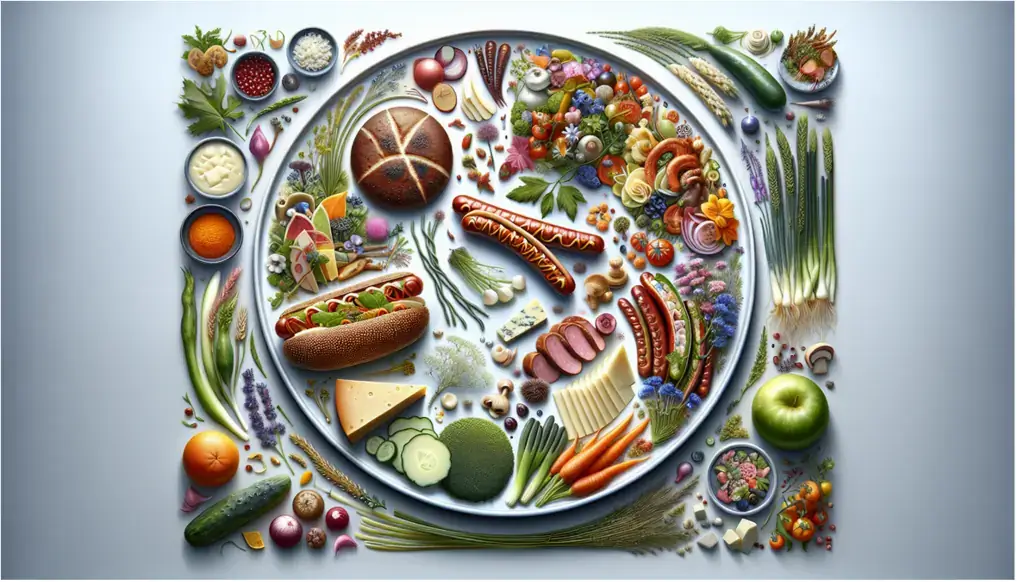
If you’re looking for a food adventure that will excite your taste buds, Eating in Denmark should be at the top of your culinary bucket list. The country’s cuisine is a delightful mix of old and new, reflecting its deep history and cultural heritage.

When you explore Danish cuisine, you’re not just enjoying delicious food – you’re immersing yourself in a culinary tradition that has shaped the country for centuries. Danish food culture is an important part of its culinary scene, with every dish telling a story about its past and present.
From street food stalls to cozy pubs and famous restaurants, every meal is a chance to experience Denmark’s culinary heritage. Danes are proud of their food traditions and use local ingredients to create dishes that are both comforting and innovative.
Smørrebrød, Danish hot dogs, stjerneskud – these dishes are more than just food; they represent the soul of Danish gastronomy. They capture the essence of Danish cuisine – simple yet flavorful, humble yet satisfying.
But Danish cuisine is always evolving. The rise of the New Nordic manifesto, a culinary movement that focuses on using local, seasonal ingredients prepared with creative techniques, has had an impact on traditional Danish dishes. This movement has brought new energy to the Danish food scene without erasing its historical roots.
For example, smørrebrød may still have traditional toppings like herring or remoulade but could also feature New Nordic elements like foraged herbs or artisanal cheeses. Similarly, classic pastries might be reinvented with interesting flavor combinations or modern cooking methods.
The result? A dynamic food culture that respects its past while embracing change – a testament to Denmark’s dedication to culinary excellence.
As you discover Denmark’s lively food scene, remember: every bite is an opportunity to learn about the country’s history and culture. Whether you’re trying a homemade frikadeller at a local’s house or indulging in a Michelin-starred meal in Copenhagen, remember that you’re not just eating – you’re participating in a centuries-old tradition that is still evolving and thriving.
So, bring your appetite and prepare to uncover the enchantment of Eating in Denmark. From hearty traditional favorites to innovative dishes inspired by the New Nordic manifesto, Danish cuisine guarantees an unforgettable culinary journey – one that will make you fall in love with this charming Nordic nation over and over again.
Embarking on a culinary journey through Denmark would be incomplete without savoring the quintessential Smørrebrød. A staple in Danish cuisine, Smørrebrød, traditionally served as a popular lunch option, anchors its roots back to the 19th century. During this time, field workers would pack these open-faced sandwiches for their mid-day meals, offering a practical yet nutritious bite.
Delving into the anatomy of a classic Smørrebrød, you find a base of dense rye bread topped with an array of ingredients. The toppings often include:
The interplay of flavors and textures is what sets Smørrebrød apart. The tartness of pickled herring, the creamy touch from remoulade, and the crunch from onions all on a bed of hearty rye bread create a symphony on your palate.
While these are classic elements, don’t box yourself into tradition. Modern interpretations of Smørrebrød have evolved to include everything from smoked salmon and roast beef to fresh herbs and edible flowers.
Consider Smørrebrød as Denmark’s canvas for showcasing its local produce and culinary creativity.
Now that you have an idea about this Danish delicacy, you might wonder where to find the best Smørrebrød in Denmark. Here are some places worth considering:
Whether you opt for the traditional herring and remoulade or adventurous toppings at modern establishments, each bite of Smørrebrød is a tribute to Denmark’s rich culinary heritage. As you journey through Denmark, you’ll discover that Smørrebrød is more than just an open-faced sandwich; it’s a flavorful snapshot of Danish culture and history.
When you visit Denmark and explore its food scene, you can’t miss out on the Stjerneskud. This Danish seafood dish has a poetic name that translates to “shooting star,” and it truly lives up to its name with an explosion of flavors that locals and tourists alike adore.
The Stjerneskud is typically made up of the following components:
While you can find Stjerneskud across Denmark, the version served in Copenhagen stands out for its elegance and meticulousness. Chefs in Copenhagen often prioritize locally sourced ingredients to ensure freshness and support sustainable fishing practices.
Here’s what sets the Copenhagen style apart:
To fully experience this extravagant Danish seafood dish, we recommend visiting one of the many reputable seafood restaurants in Copenhagen. Here are a few well-known establishments:
For those who enjoy cooking at home, trying your hand at making Stjerneskud can be a rewarding experience. Here’s a step-by-step guide:
Before you embark on your Stjerneskud adventure in Copenhagen or in your own kitchen, here are some insider tips to keep in mind:
Stjerneskud embodies the sophistication and abundance of Danish cuisine. Whether you choose to indulge in it at a fancy restaurant or take on the challenge of making it yourself, this dish is sure to impress your taste buds—an ode to Denmark’s thriving seafood tradition rooted in its charming culture.
So, get ready to embark on this culinary journey as Denmark has more delightful dishes waiting to be explored beyond its shooting stars from the sea.
Danish hot dogs, a term that triggers nostalgic memories for many Danes, and leaves an unforgettable impression on visitors to this Nordic country. These aren’t your average hot dogs. Danish hot dogs are imbued with history, tradition and innovation, making them a must-try street food item when visiting Denmark.
The story of the Danish hot dog begins in the early 20th century. Inspired by American style franks, Danish vendors added their own twist to create a unique culinary delight. Today they are more than just a quick snack; they have evolved into a symbol of Danish food culture.
When you try a Danish hot dog, you’re not just enjoying a delicious sausage in a bun. You’re partaking in a cultural experience that reflects the nation’s love for high-quality produce and creative cuisine.
The classic rød pølse (red sausage) is the star of the show in traditional Danish hot dogs. This sausage gets its distinctive color from being cured with saltpeter. It’s then grilled or boiled until it achieves its signature snap when bitten into.
Over time, innovative chefs and food vendors have reimagined this classic street fare. Gourmet versions are now available featuring organic sausages, artisanal breads, and inventive toppings. Despite these modern twists, the essence of Danish hot dog culture remains intact: top-quality ingredients served simply but thoughtfully.
What truly sets Danish hot dogs apart are the unique condiments used to dress them up:
The combination of these condiments provides a symphony of flavors and textures, making each Danish hot dog a culinary adventure.
Hot dog stands, or “pølsevogn”, can be found throughout Denmark. Here are some spots where you can enjoy this national treasure:
Whether you’re strolling through bustling city streets or exploring quaint coastal towns, you’ll find that Danish hot dogs are more than just a quick bite to eat. They are part of Denmark’s culinary identity – a testament to the country’s knack for blending tradition with innovation in its cuisine. So next time you’re in Denmark, be sure to sample this cultural institution and savor every bite!
If you are looking to taste the heart of Danish culinary tradition, Stegt flæsk med persillesovs is your destination. Literally translating to “fried pork with parsley sauce,” this comforting dish holds the honor of being Denmark’s national dish.
The roots of Stegt flæsk med persillesovs run deep into Danish cuisine. The star ingredient, pork, signifies the country’s agricultural tradition as Denmark is one of the top exporters of pork globally. This dish combines crispy pork slices with a creamy parsley sauce, offering a harmonious balance between rich meatiness and fresh herbaceous flavors.
You don’t need to be a gourmet chef to make Stegt flæsk med persillesovs at home. Here’s a simple step-by-step guide:
Remember, like any traditional dish, making perfect Stegt flæsk med persillesovs may take practice but it’s worth every effort!
For those who want to experience authentic Stegt flæsk med persillesovs in a restaurant setting, Denmark has plenty to offer:
Whether you make it at home or try it in a restaurant, Stegt flæsk med persillesovs will offer you a delectable insight into Danish culinary tradition.
Indulge in the world of Danish pastries, a cornerstone of Denmark’s proud baking tradition. These aren’t just desserts; they’re a testament to the meticulous craftsmanship of Danish bakers, who’ve skillfully combined local flavors with Austrian and French pastry techniques. The result is a phenomenal array of buttery, flaky pastries that are as beautiful to behold as they are delicious to eat.
The history of Danish pastries is as layered as the dough from which they’re made. In the 19th century, Austrian bakers introduced the concept of laminated dough to Denmark. This technique involves folding butter into the dough multiple times to create hundreds of paper-thin layers, which puff up in the oven to create an airy texture. French pastry chefs further refined these methods, adding rich fillings and elegant designs.
Creating Danish pastries is an art form that requires patience and precision:
Copenhagen is dotted with pastry shops that have perfected these treats. Here, you can sample everything from classic versions to innovative twists on traditional recipes.
Every bite of these pastries tells a story—of tradition meeting innovation and local tastes mingling with foreign influences. When you visit Copenhagen, make sure to stop by these famous pastry shops for an authentic taste of Danish sweetness.
These sweet delights are not just reserved for dessert; they’re enjoyed at all times of day as a symbol of Danish ‘hygge’—the warm coziness that comes from enjoying life’s simple pleasures.
Embarking on this sugary journey through Denmark’s pastry scene reveals much about the country’s culinary identity—it’s one rooted in heritage yet always looking forward to new inspirations. As you savor each flaky layer, you’re experiencing centuries-old baking secrets passed down through generations, each one adding its own unique twist to create what we know today as the irresistible Danish pastry.
As you explore beyond Copenhagen’s famed pastry haven, prepare your palate for yet another facet of Denmark’s gastronomic landscape—the fresh brininess of oysters harvested right from its cold northern waters awaits your discovery.
When you explore Danish oysters, you’re not just trying a fancy food; you’re getting a taste of Denmark’s seafood history. The Limfjord and the North Sea, with their unique marine environment, have some of the best oysters in the world.
Distinct Flavor Profile of Limfjord Oysters Limfjord oysters have a special taste that makes them stand out globally. This is because of:
Experience Oyster Safaris and Boat Tours Denmark is proud of how it farms oysters in a sustainable way. This means that visitors can take part in fun and educational activities like oyster safaris and boat tours.
Top Coastal Destinations for Danish Oysters If you want to try these special oysters, here are some great coastal places where you can get them:
When you eat Danish oysters, remember that they’re best from October to April when they’re big and juicy. You can have them raw with a bit of lemon juice or cooked in fancy ways by top chefs. Danish oysters from Limfjord and the North Sea are a must-try food experience.
As you taste more of Denmark’s amazing food, you’ll find that each dish has a story behind it. These stories come from old traditions, new ideas, and a strong commitment to making good food in Denmark.
If you’re seeking the quintessential taste of traditional Danish food, frikadeller should be at the top of your list. These aren’t just any meatballs; they carry with them a rich tradition and a flavor profile that is distinctly Danish. Renowned for their hearty texture and aromatic seasoning, Danish meatballs are a staple in the country’s culinary repertoire.
Danish meatballs are a unique blend of ground pork and veal, an amalgamation that ensures both tenderness and depth of flavor. They’re seasoned with nutmeg and allspice—spices that infuse the meat with warm, comforting notes. The meat mixture is then shaped into robust balls or sometimes slightly flattened patties before being pan-fried to golden perfection.
Here’s what goes into making these savory delights:
Frikadeller recipes are cherished within families, often passed down from generation to generation. Each household may claim its own “secret ingredient” or method that makes their frikadeller stand out. While some may add a touch more allspice for extra kick, others might insist on a specific blend of meats or a particular frying technique.
Regional Variations:
For those eager to experience authentic Danish meatballs, Denmark offers numerous venues where you can indulge in this traditional dish.
Cozy Taverns: Step into one of Denmark’s many historic taverns, known locally as kroer, where you can enjoy frikadeller in a rustic setting. These establishments pride themselves on their home-cooked style meals.
Market Stalls: The vibrant markets scattered throughout Denmark are an ideal place to sample different takes on frikadeller. Enjoy them hot off the skillet with a side of potato salad or pickled red cabbage at one of the bustling food stalls.
Copenhagen Eateries: In Copenhagen, head to eateries that specialize in classic Danish cuisine. Many chefs take pride in offering frikadeller that reflect both traditional methods and contemporary tastes.
Indulging in frikadeller is more than just enjoying a meal; it’s an embrace of Danish culture and history through food. Whether at a quaint tavern or during the lively atmosphere at market stalls, tasting these savory meatballs offers insight into what makes traditional Danish food resonate with so many people—its simplicity, its warmth, and its ability to bring people together over delicious fare.
As you continue your culinary journey through Denmark’s rich gastronomic landscape, remember that each dish tells its own story—a narrative woven from local ingredients, time-honored techniques, and shared experiences around the dining table.
Danish Beer: A term that brings a wave of refreshing images to the mind of beer lovers around the globe. Renowned for its quality and diversity, Danish beer has carved out a significant place in the international brewing arena.
The story of beer production in Denmark is as fascinating as the beverages it has yielded over centuries. From the reign of commercial giants to the rise of independent craft breweries, each era has injected its unique flavor into this narrative.
In the past, brewing was primarily a home-based activity, with recipes passed down through generations. Over time, commercial production took center stage with major players like Carlsberg and Tuborg leading the way. These brands have contributed significantly to shaping Denmark’s brewing landscape.
However, a revolution was brewing (quite literally) in the late 20th century when micro-brewers began to emerge. Inspired by global craft beer movements, these pioneers pushed boundaries and challenged the status quo. Today, Denmark boasts a vibrant scene of innovative brewers whose creations can be sampled in pubs and bars across the country.
Ever heard of the term “hygge” (pronounced hoo-ga)? This quintessentially Danish concept refers to a feeling of cozy contentment and well-being through enjoying simple pleasures. And what could be more hyggelig (hygge-like) than sharing good times over a pint of quality brew?
Picture this: You’re in an intimate pub, surrounded by friends or family. There’s laughter, stories being shared, comfort food on your plate, and most importantly—your hand clasped around a Danish craft beer. This scenario epitomizes hygge in all its warm and fuzzy glory.
Part of the allure of Danish beer culture is the opportunity to venture off the beaten path. That’s where you’ll uncover some real gems – micro-breweries that might be small in size but are big on character and flavor.
Intrigued by the multitude of flavors offered by Danish craft breweries? Remember, the best way to experience this rich beer culture is by immersing yourself in it. So next time you’re in Denmark, make sure to visit these micro-breweries, enjoy their unique tasting experiences and raise a glass to the art of hygge!
When you delve into the world of Danish gastronomy, Snaps emerges as a quintessential element that complements the rich flavors of the cuisine. This traditional Scandinavian spirit, primarily known as aquavit, has a storied presence on Danish tables, particularly during festive gatherings and alongside classic dishes.
Danish aquavit presents an array of flavors for every palate:
As you explore the nuances of snaps:
Denmark boasts numerous spots where you can immerse yourself in the world of aquavit:
Snaps not only serves as a beverage but stands as a testament to Danish conviviality and gastronomic heritage. Whether you’re clinking glasses at a family gathering or enjoying a quiet moment at a local pub, this traditional Scandinavian spirit offers both warmth and depth—much like Denmark itself.
When you visit Denmark, you’ll be treated to much more than stunning scenery and fascinating history. The country’s cuisine, known as Danish cuisine, is a delightful fusion of traditional and contemporary dishes that will satisfy any food lover.
Denmark’s food has evolved over time while still honoring its roots. Every dish, from the famous smørrebrød to the seasonal favorite Æbleskiver, has a story to tell. Eating these foods not only provides pleasure for your taste buds but also offers insight into the country’s past and way of life.
Some dishes stand out as quintessentially Danish, representing the essence of the cuisine. Here are a few examples:
Denmark is famous for its mouthwatering pastries that will surely please anyone with a sweet tooth. Indulge in buttery Danish pastries filled with marzipan, custard, or berries – they’re perfect alongside a cup of coffee or as a dessert.
In Denmark, beer is more than just a beverage – it’s a way of life. The Danish beer culture revolves around the concept of “hygge,” which encompasses coziness, togetherness, and overall well-being. Whether you prefer big-name breweries or small craft ones, you’ll find a wide variety of options in Denmark’s beer scene.
And let’s not forget about snaps, a traditional Scandinavian spirit often enjoyed with smørrebrød and herring dishes. Its strong flavor adds an extra kick to your culinary experience.
When you travel to Denmark, be prepared for a journey that engages all your senses. While the country’s natural beauty is breathtaking, its cuisine offers an equally captivating adventure. With every bite, you’ll discover new flavors and develop a deeper understanding of Danish culture.
So as you plan your trip, remember that the food in Denmark is more than just nourishment for your body – it’s nourishment for your soul. Take the opportunity to immerse yourself in this beautiful country one dish at a time, because as the saying goes, “To truly know a people’s culture, one must first taste its cuisine.”
Here’s to savoring the must-try foods of Denmark – velbekomme (Bon Appétit)!
Danish food culture has played a significant role in shaping the culinary scene of the country, with a blend of traditional and modern dishes that make it a must-try for any food enthusiast visiting Denmark.
The best hot dog stands can be found across the country, from bustling city streets to coastal towns, offering unique condiments such as crispy onions, pickles, and tangy sauces that set Danish hot dogs apart.
Stegt flæsk med persillesovs, which translates to ‘fried pork with parsley sauce,’ is a comforting dish deeply rooted in Danish culinary tradition. It is a must-try dish with not-to-be-missed renditions served at exceptional restaurants.
The influence of Austrian and French pastry techniques has contributed to the development of Danish pastries, known for their butter-rich dough layered with sweet fillings like marzipan, custard, and berries.
Snaps is a traditional Scandinavian spirit infused with herbs and spices, often enjoyed as a shot alongside smørrebrød and herring dishes. It has popular flavor profiles, and visitors can learn about its distillation process at a snaps distillery.
Danish cuisine offers a unique blend of traditional and modern dishes, making it a must-try for any food enthusiast visiting Denmark. From iconic smørrebrød to delectable Æbleskiver, there are plenty of must-try foods showcasing Denmark’s rich culinary heritage.